
Francisco Canaro
Born: San José de Mayo, 26 November 1888
Died: Buenos Aires, 14 December 1964
Francisco Canaro (born Francisco Canarozzo), nicknamed “Pirincho”, was a Uruguayan-born, Buenos Aires-based violinist, composer, orchestra director, impresario and union leader who became one of the central figures of twentieth century tango.
Active from the 1900s through the early 1960s, he helped shape the sound and format of the orquesta típica, led one of the most recorded tango orchestras on disc and radio and produced a substantial repertoire of tangos, valses and milongas that remain staples of the social dance repertoire.
His work ranges from early guardia vieja recordings with a strong canyengue accent to highly arranged salon style tangos and theatrical music, as well as popular milongas and rancheras. He played a decisive role in popularising tango internationally through tours and residencies in Europe and the Americas, and in consolidating the economic and legal framework for tango musicians through his leadership in SADAIC.
Historical and cultural context
Canaro belongs to the generation that closes the guardia vieja and prepares the ground for the so-called época de oro. He emerges musically in the 1900s and 1910s, when tango is still associated with the working class and marginal urban spaces of Buenos Aires and Montevideo, and the orquesta típica as a standard ensemble had yet to come (Julio De Caro, 1924).
His early work with Vicente Greco places him at the heart of the process through which the guitar and flute-based ensembles are replaced by a more powerful combination of bandoneons, violins, piano and double bass.
From around 1916 to the mid 1930s, many commentators regard him as one of the dominant orchestral leaders in tango, preceding the “big four” of the golden age (Juan D’Arienzo, Carlos Di Sarli, Aníbal Troilo, Osvaldo Pugliese) and helping to define what dancers and listeners perceived as modern tango.
In the mid 1920s his orchestra toured Europe, notably Paris, at the height of tango’s international fashion, and he became a major cultural exporter of the Río de la Plata tango image.
The introduction of a dedicated singer into his orchestra in 1926, initially in the role of estribillista, reflects a broader shift in tango from primarily instrumental dance music to a song form with increasingly elaborate lyrics and vocal performances.
His collaborations with vocal stars like Ada Falcón and Charlo took place in a period of intense cross-fertilisation between tango, theatre and cinema in Buenos Aires.
In the 1930s and 1940s, during the canonical golden age, Canaro’s orchestra coexists with newer stylistic currents. His output includes both clearly dance – oriented sides and more theatrical or sentimental works, many written for musical comedies and films, mirroring the diversification of tango into multiple performance circuits.
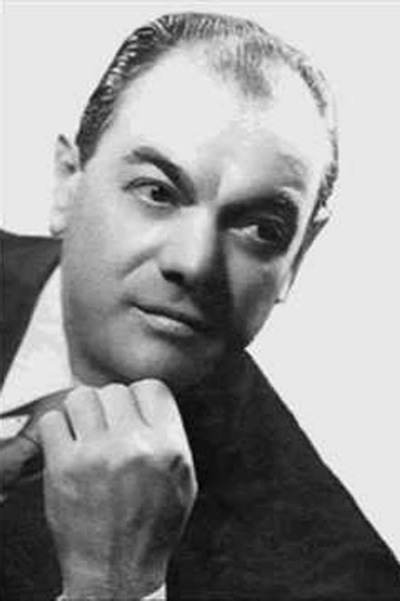
Francisco Canaro