
Ángel D’Agostino
Born: Buenos Aires, 25 May 1900
Died: Buenos Aires, 16 January 1991
Ángel D’Agostino was a Buenos Aires pianist, composer, and director whose orchestra became a durable pillar of the época de oro dance repertoire. After early work in theatres, radios, and cinemas accompaniment, he formed and refined his own orchestra through the 1930s, then achieved canonical status in the 1940s via his recordings for RCA Victor, especially with vocalist Ángel Vargas (1940-1946).
His style is consistently described by close participants as “criollita y sencilla” – clear, tasteful, and built for intelligible singing and social dancing rather than orchestral display.
Historical and cultural context
D’Agostino’s mature career belongs to the transición into, and then the consolidation of, the época de oro (roughly 1935-1955), when tango orchestras expanded, radio drove popularity, and recordings for major labels became decisive cultural documents. His professional network overlaps directly with central figures of the period: TodoTango documents his early proximity to Juan D’Arienzo, and later the presence of Aníbal Troilo within D’Agostino’s orbit during the mid-1930s.
Within this environment, D’Agostino’s orchestra occupied a distinctive place. TodoTango frames it as less “grand” than the prestige orchestras and less sensational than D’Arienzo’s popular machine, yet continuously admired across generations. That durability is tied to function: a repertoire and delivery that served dancers and listeners who valued narrative clarity and a steady, unforced pulse.
Style and characteristics
Core aesthetic: participant testimony emphasises simplicity, clarity, and good taste, allied to a “criollo” sensibility rather than urban bravura. Spitalnik attributes the orchestra’s success to a “clear and simple language”, Vargas’s comprehensibility, and a “very nostalgic” repertoire distinct from competitors.
Relationship of voice and orchestra: D’Agostino’s approach privileges the singer’s line. The orchestra supports text delivery, often avoiding clutter so that the lyric remains intelligible – a decisive quality in a period where many dancers also sang along.
Phrasing: “Tres esquinas” is cited in an Oxford University Press educational article as a model for demonstrating tango “fraseo” (flexible rhythmic interpretation) and conventional tango cadential gestures (“chan-chan”), indicating how D’Agostino’s melodic writing lends itself to idiomatic performance practice.
Brief chronology
| Year | Event |
|---|---|
| 1900 | Born in Buenos Aires (Moreno street, between Virrey Cevallos and Solís, in his own recollection) |
| 1900s-1910s | Classical-oriented studies; early public performance; work in private salons and theatre contexts while absorbing tango through family connections |
| 1919 | Documented participation in the stable orchestra of the Teatro Nacional, alongside musicians including Juan D’Arienzo and Alfredo Mazzeo |
| March 1920 | Forms an adult ensemble combining typical and jazz repertories, reflecting the economic realities of professional music making |
| Mid-1920s | Work connected to cinema accompaniment and the Paramount context is described both in his recollection and in TodoTango’s historical overview |
| 1932 | Introduced to Ángel Vargas and presents him in a cinema setting (Cine Florida), beginning a relationship that will define the 1940s recordings |
| 1935 | TodoTango documents a D’Agostino orchestra line-up that included bandoneonists such as Troilo and a vocalist (Alberto Echagüe), active in cabaret and theatre circuits |
| 1936-1940 | Engagement at Chantecler, described by D’Agostino as a leading cabaret in Buenos Aires |
| 1936-1940 | Engagement at Chantecler, described by D’Agostino as a leading cabaret in Buenos Aires |
| Late 1940 | First RCA Victor recordings and formalisation of the D’Agostino-Vargas pairing |
| 1943 | D’Agostino reports receiving “best orchestra director” recognition on the radio programme Ronda de Ases |
| 1940-1946 | Core recording era with Vargas |
| Post-1946 | TodoTango’s discographic listings show continued recording activity into the 1950s and 1960s with other singers and formats, indicating later-career persistence beyond the classic binomio |
Selected catalogue of works
Tangos
- Pasión milonguera
Music: Ángel D’Agostino; Lyrics: Rafael D’Agostino. A representative example of his authorial voice within the social-dance world that his orchestra served.
[Audio clip: Pasión milonguera – placeholder] - Tres esquinas (1941, per published music credit shown in an academic and educational context)
Music: Ángel D’Agostino and Alfredo Attadía; Lyrics: Enrique Cadícamo. Frequently used in pedagogical explanations of tango phrasing and cadence.
[Audio clip: Tres esquinas – placeholder]
Selected discography
The following is structured by broad stylistic “eras”. Exact boundaries are somewhat conventional and may overlap.Época de oro (1940s, RCA Victor era with Ángel Vargas):
- “Adiós arrabal” (Ángel Vargas, 9 September 1941, RCA Victor)
- “Agua florida” (Ángel Vargas, 13 November 1941, RCA Victor)
- “Sólo compasión” (Ángel Vargas, 20 October 1941, RCA Victor)
- “Yo tengo una novia” (Vals, Ángel Vargas, 17 November 1942, RCA Victor)
- “De pura cepa” (instrumental, 5 December 1943, RCA Victor)
- “De corte criollo” (instrumental, 21 May 1945, RCA Victor)
- “Señores yo soy del centro” (Milonga, Ángel Vargas, 20 March 1945, RCA Victor)
Legacy
D’Agostino’s legacy is the legacy of permanence: an orchestra that never stopped being respected and admired from 1940 onward, precisely because its values aligned with tango as a social art.
Spitalnik’s testimony captures why later dancers and listeners continue to return to these recordings: clarity of musical language, restraint, and a singer-orchestra relationship that makes text and pulse mutually reinforcing.
“Tres esquinas”, continually referenced in pedagogical settings, functions as a durable artefact for explaining tango phrasing in practice rather than theory alone.
Sources and bibliography
-
- Biography by Néstor Pinsón and Ricardo García Blaya (dates, evaluation, Spitalnik testimony)
https://www.todotango.com/creadores/biografia/31/angel-DAgostino/ - “D’Agostino: Confesiones…” (first-person career chronology)
https://www.todotango.com/historias/cronica/356/DAgostino-Confesiones-de-angel-DAgostino/ - “Orquesta Típica Ángel D’Agostino” (historical overview and personnel context)
https://www.todotango.com/historias/cronica/584/Orquesta-Tipica-angel-DAgostino/ - D’Agostino ficha (recording-session listings and later-career traces)
https://www.todotango.com/creadores/ficha/12/angel-DAgostino - Work pages consulted: “Pasión milonguera”
https://www.todotango.com/musica/tema/1303/Pasion-milonguera/ - Oxford University Press blog (Kacey Link and Kristin Wendland) – performance-practice explanations referencing “Tres esquinas” and tango fraseo
https://blog.oup.com/2016/05/ten-things-you-didnt-know-about-argentine-tango-music/ - Cambridge Core – The Cambridge Companion to Tango (I located relevant references in search results, but direct extraction was constrained by access and page-overlay behaviour in this session)
https://www.cambridge.org/core/books/cambridge-companion-to-tango/tango-music/58D05703DD71E866F73B66E62D4DAB72
- Biography by Néstor Pinsón and Ricardo García Blaya (dates, evaluation, Spitalnik testimony)
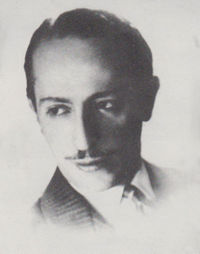
Ángel D'Agostino
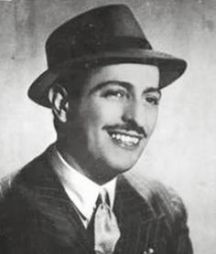
Ángel D'Agostino
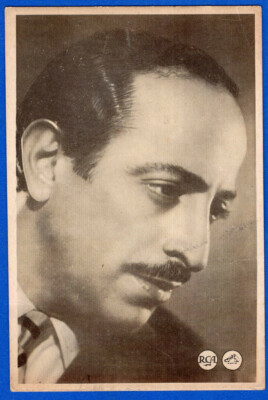
Ángel D'Agostino
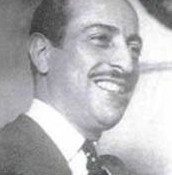
Ángel D'Agostino
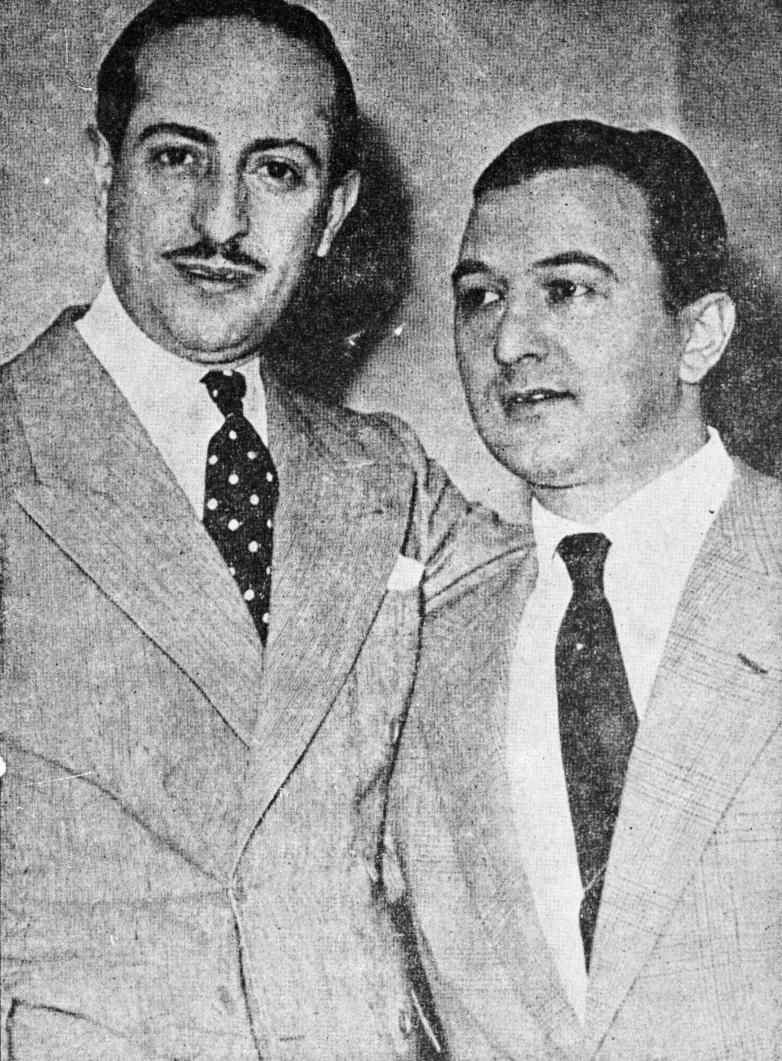
Ángel D'Agostino with Ángel Vargas
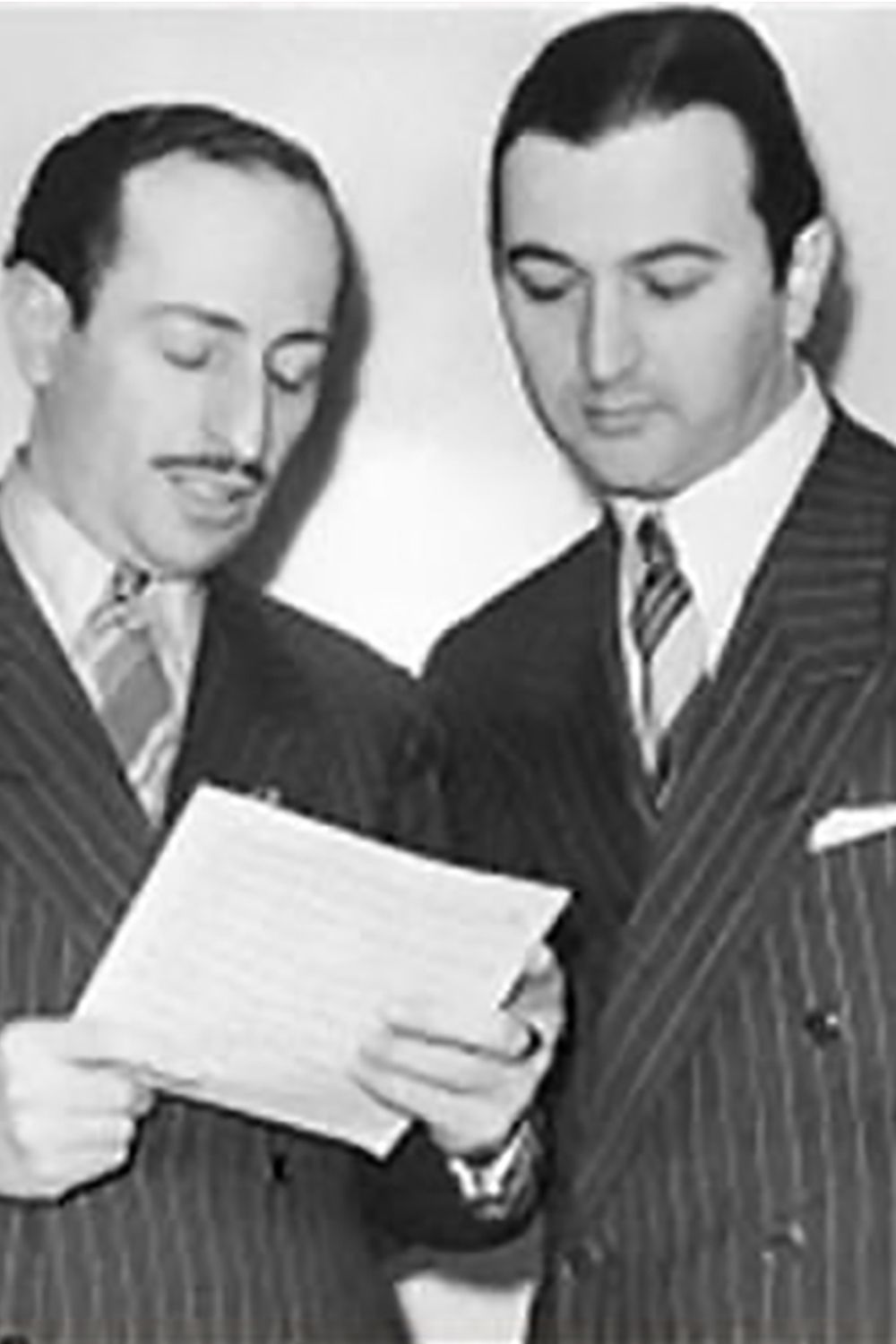
Ángel D'Agostino with Ángel Vargas
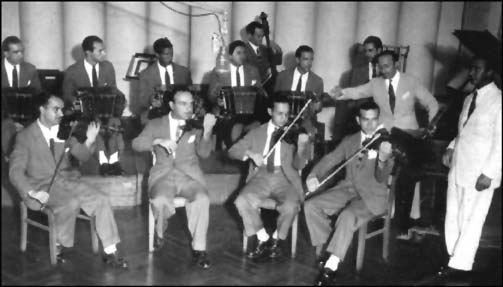
Ángel D'Agostino's orchestra