
Juan D’Arienzo
Born: Buenos Aires, 14 December 1900
Died: Buenos Aires, 14 January 1976
Juan D’Arienzo was one of the most influential figures in the history of Argentine tango. A violinist by training and a charismatic conductor, he led orchestras that, from 1935 onwards, re-energized the dance rhythms of tango and became a central reference for the dance revival of the 1930s and 1940s.
His recordings for Electra and, above all, RCA Victor – over a thousand sides – defined a style whose impact is still audible in contemporary milongas.
Historical and cultural context
D’Arienzo emerged in a period when tango was consolidating its presence in theatre, cinema and radio, and when the recording industry was beginning to shape musical taste. His early work with Ángel D’Agostino and other musicians in cafés, cinemas and theatres of Buenos Aires placed him in the lineage of the Guardia Vieja.
In 1928/1929 he recorded for the Electra label, but his decisive step came in 1935 when he signed with RCA Victor and formed an orchestra whose instrumentation – three bandoneons, three violins, piano and double bass – became emblematic.
At a time when many orchestras were moving towards smoother, more legato phrasing and harmonically elaborate arrangements, D’Arienzo deliberately revived the incisive 2×4 pulse and strong staccato articulations of earlier tango, combining them with the discipline and precision of the studio orchestra. This approach, showcased in radio broadcasts and long residencies in cabarets such as Chantecler, attracted a massive dancing public and helped draw younger audiences who had regarded tango as “old people’s music”.
Style and characteristics
Musicological and discographic sources consistently highlight several defining traits of D’Arienzo’s style:
- Rhythmic emphasis: A relentless, clearly marked beat, often with sharp staccato in strings and bandoneons, earning him the title Rey del Compás.
- Short, energetic phrases: Strings often articulate in short bow strokes, with piano and bass reinforcing a powerful rhythmic base, favouring dancers.
- Vocal integration: Singers were frequently used in short strophic interventions rather than long narrative expositions, preserving the primacy of the dance pulse. Key singers included Alberto Echagüe, Héctor Mauré, Armando Laborde, Jorge Valdez and Mario Bustos.
- Evolution over time: From the mid-1930s percussive style, through more lyrical moments in the 1940s, to the slightly more elaborate textures and updated orchestrations of the 1960s, while always remaining recognisably “D’Arienzo”.
Brief chronology
| Year | Event |
|---|---|
| 1900 | Born 14 December in Buenos Aires, to Italian-Argentine parents Alberto D’Arienzo and Amalia Améndola |
| 1910s | Studies piano and violin; forms a youth trio with Ángel D’Agostino and Carlos Bianchi; plays in cafés, theatres and cinemas |
| 1919 | First major public success at Teatro Nacional in the play El cabaret Montmartre |
| 1928-1929 | First recordings with his orchestra for the Electra label, including an early version of La cumparsita with vocalists Carlos Dante and Raquel Notar |
| 1935 | Begins long association with RCA Victor; reorganises his orchestra and consolidates his hallmark rhythmic style |
| Late 1930s-1940s | Peak popularity in the época de oro; major hits include La cumparsita, Paciencia, El flete, La puñalada, Paciencia and many others |
| 1950s-1960s | Continues recording and touring; experiments with denser textures and slightly modernised arrangements while remaining strongly dance-oriented |
| 1976 | Dies on 14 January in Buenos Aires; buried in La Chacarita cemetery |
Selected catalogue of works
As an orchestra leader, D’Arienzo’s fame rests more on his interpretations than on his own compositions. Below is a selection of pieces strongly associated with his orchestra; where he is credited as co-composer this is indicated.Tangos
- La cumparsita (Gerardo Matos Rodríguez; arr. D’Arienzo, various years) – Iconic recording, often considered the definitive dance version; recorded at least seven times between 1928 and 1971
Audio: Listen – placeholder - Paciencia (Juan D’Arienzo – L. A. Rubistein / others, depending on edition) – One of his great rhythmic tangos of the late 1930s
Audio: Listen – placeholder - El flete (Rosendo Mendizábal; arr. D’Arienzo) – Classic guardia vieja tango re-energised in his 1930s version
Audio: Listen – placeholder - El hipo, Chichipía, Compadrón, Loca, Pobre milonga, El último organito, Recuerdos de bohemia – Titles recurrently associated with his orchestra and sometimes involving his contribution as co-composer or arranger
Audio: Listen – placeholder - Garronero (J. F. Caride – J. D’Arienzo) – Example of his co-authorship within his own repertoire.
Audio: Listen – placeholder
Valses
- Desde el alma (R. Melo – H. Rosas; D’Arienzo arrangement) – One of the most beloved valses in his discography; his version emphasises clear phrasing and drive
Audio: Listen – placeholder - Amor y celo, Olga, Corazón de artista – Frequently anthologised valses in compilations such as Los éxitos de D’Arienzo – Milongas y Valses
Audio: Listen – placeholder
Milongas
- La puñalada (Pintín Castellanos; D’Arienzo arrangement) – Milonga recorded several times (1937, 1943, 1951, 1963), often considered a paradigmatic milonga for the dance floor
Audio: Listen – placeholder - De pura cepa, Carnavalera, Tabú – Representative milongas from different periods, showing his handling of syncopation and rhythm
Audio: Listen – placeholder
Selected discography
The following is structured by broad stylistic “eras”. Exact boundaries are somewhat conventional and may overlap.Guardia Vieja / Early Career (up to mid-1930s)
-
Electra recordings (1928-1929), including early takes of La cumparsita with Carlos Dante and Raquel Notar.
Audio: Early Electra sides – placeholder
Guardia Nueva / Pre-Golden Age (mid-1930s)
-
Early RCA Victor sessions (1935-1936), collected in reissues such as 1935-1936, Vol. 1, including Hotel Victoria, Re Fa Si, Penas de amor, Tinta verde.
Audio: 1935-1936 recordings – placeholder
Época de Oro (c. 1937-1949)
-
Core rhythmic tangos and milongas that made his fame, many documented in restoration projects of RCA recordings from 1940-1949: Paciencia, La puñalada, El flete, Paciencia, Milonga vieja milonga, among others.
Audio: Golden Age anthology – placeholder -
Vocal collaborations with Alberto Echagüe, Héctor Mauré, Armando Laborde and others, often in short, dramatically delivered verses.
Audio: D’Arienzo with Echagüe / Mauré – placeholder
Tango Moderno / Later Years (1950s-1970s)
-
LPs and compilations on RCA and sub-labels (e.g. Colección Grandes Éxitos, Sus grandes éxitos), which present updated versions of classic titles alongside new repertoire, often with more elaborate arrangements while retaining danceability.
Audio: 1960s recordings – placeholder
Other / Posthumous Compilations
-
Numerous reissues on CD, digital platforms and themed collections (e.g. Cambalache 1939-1952, Best Selection, etc.), which continue to circulate widely among dancers and collectors. Amazon+1
Audio: Modern compilations – placeholder
Legacy
Juan D’Arienzo’s legacy is twofold: historical and practical. Historically, he is counted among the central figures of tango’s época de oro, often mentioned alongside Carlos Di Sarli, Aníbal Troilo and Osvaldo Pugliese as one of the “big four” orchestras.
Practically, his recordings remain among the most frequently played at social dances around the world; his versions of La cumparsita, La puñalada and Desde el alma are standard references for dancers and DJs alike.
Critics and historians emphasise that by insisting on a clear, forceful compás at a time when other ensembles pursued more symphonic or introspective aesthetics, D’Arienzo restored tango’s character as a popular, social dance.
His influence can be traced in later dance-oriented orchestras and in contemporary reinterpretations that draw on his rhythmic model.
Sources and bibliography
-
Todo Tango – Biografía de Juan D’Arienzo (José Gobello)
https://www.todotango.com/creadores/biografia/32/juan-darienzo/ todotango.com -
Todo Tango – English artist entry
https://www.todotango.com/english/artists/biography/32/Juan-DArienzo/ todotango.com -
Spanish Wikipedia – “Juan D’Arienzo”
https://es.wikipedia.org/wiki/Juan_D%E2%80%99Arienzo Wikipedia -
English Wikipedia – “Juan d’Arienzo”
https://en.wikipedia.org/wiki/Juan_d%27Arienzo Wikipedia -
El Recodo – “Juan D’Arienzo – El Rey del Compás” (ES and EN versions)
https://www.el-recodo.com/juandarienzo-es?lang=es
https://www.el-recodo.com/juandarienzo-en?lang=en -
Tangology 101 – “Juan D’Arienzo: A Biography (Long)” series
https://www.tangology101.com/main.cfm/id/1585 -
Tango Time Travel – restoration project of D’Arienzo’s 1940-1949 recordings
https://tangotimetravel.be/juan-darienzo-the-years-1940-1949/ tangotimetravel.be -
Infobae – “Juan D’Arienzo, el violinista de Balvanera que se transformó en el ‘Rey del compás’”
https://www.infobae.com/sociedad/2023/12/14/juan-darienzo-el-violinista-de-balvanera-que-se-transformo-en-el-rey-del-compas-e-hizo-bailar-a-todos/ infobae -
Discogs – “Los éxitos de D’Arienzo – Milongas y Valses”
https://www.discogs.com/release/12773463-Juan-DArienzo-Los-Exitos-de-DArienzo-Milongas-y-Valses discogs.com -
Apple Music – (1935-1936) Vol. 1 (D’Arienzo anthology)
https://music.apple.com/ch/album/1935-1936-vol-1/924734101 Apple Music – Web Player -
Additional context from articles in Meer (German), Radio Don, Tango Sur Australia, etc.
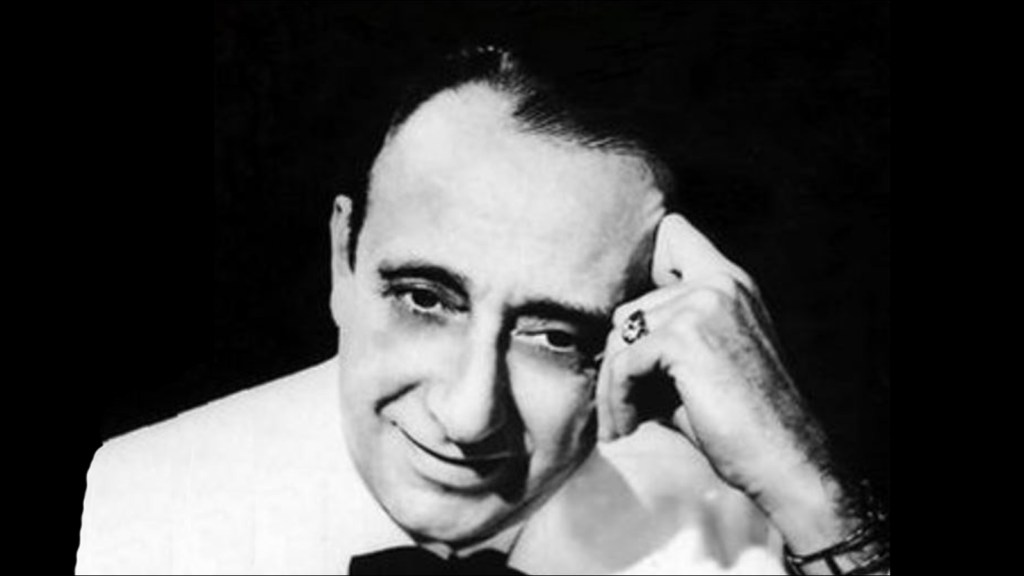
An iconic portrait of Juan D'Arienzo
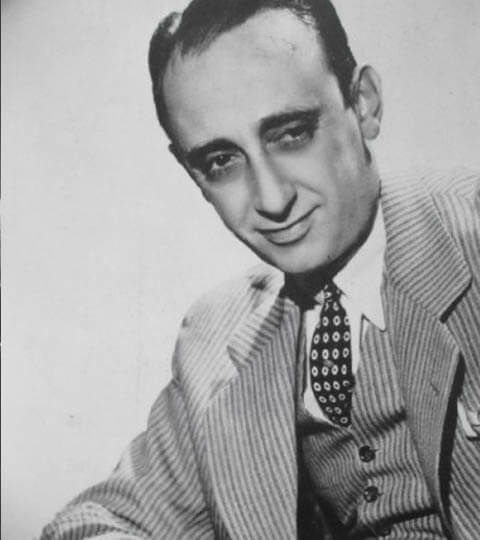
Juan D'Arienzo at the peak of his career
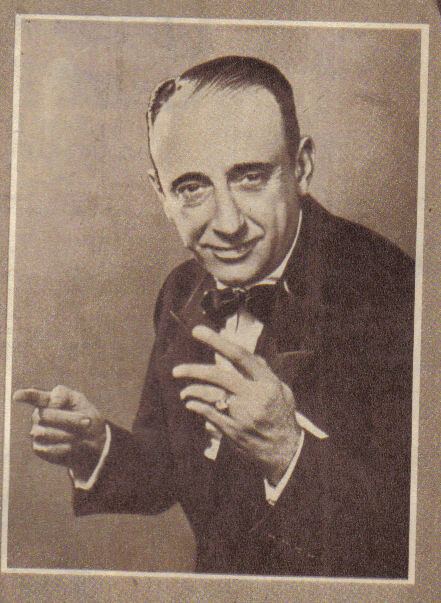
An iconic portrait of Juan D'Arienzo
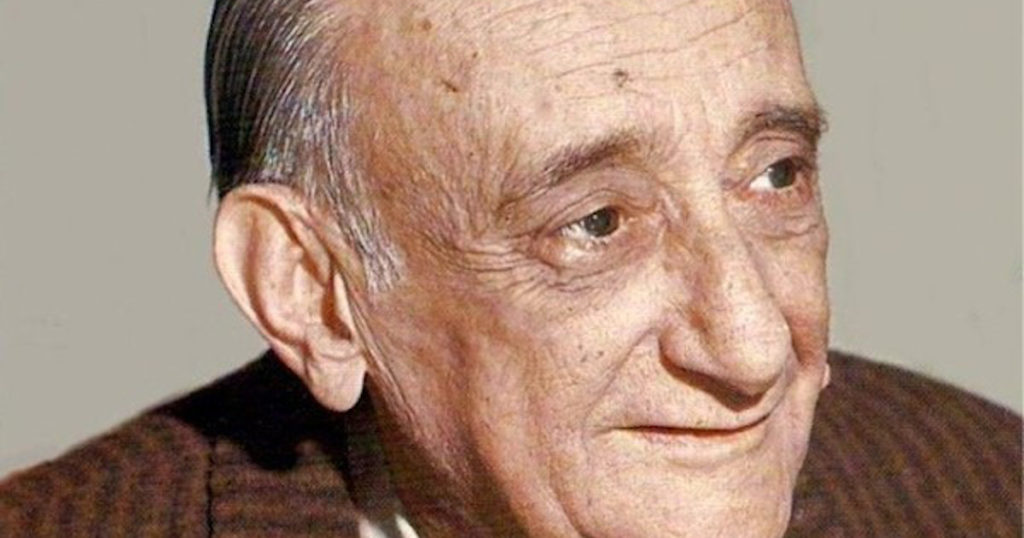
One of the last portraits of Juan D'Arienzo
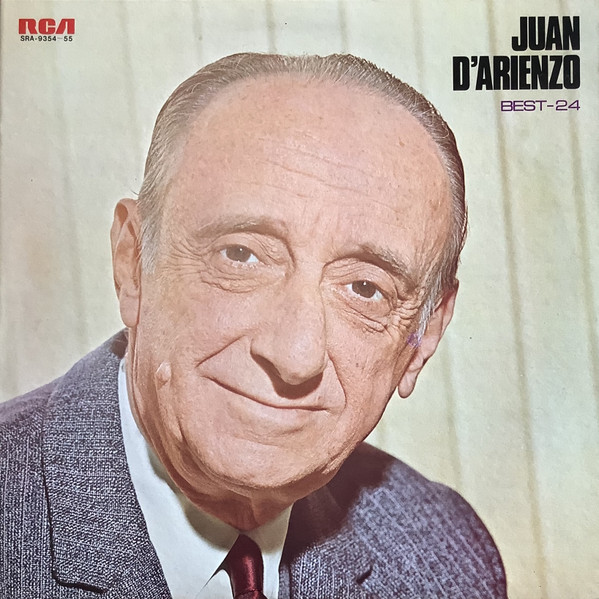
Juan D'Arienzo in a record sleeve from RCA Victor
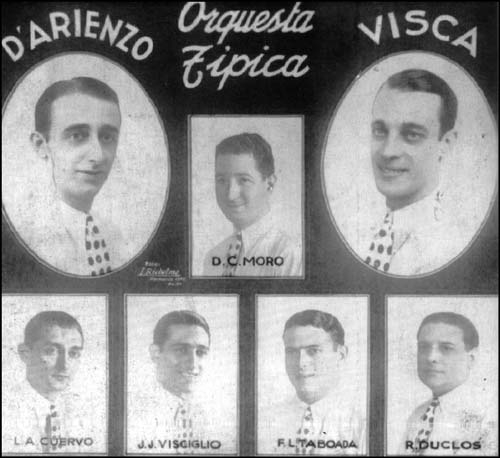
Juan D'Arienzo and his first orchestra (1928-1929)
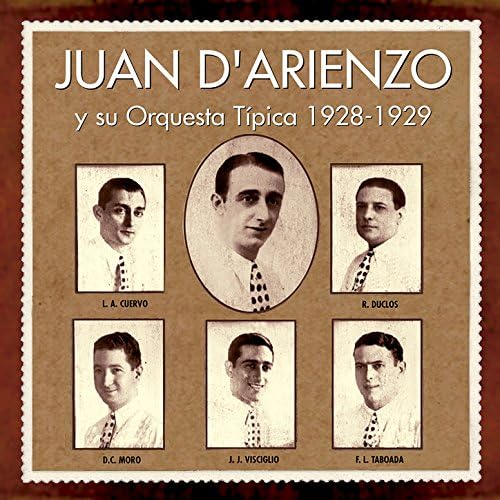
Juan D'Arienzo and his first orchestra (1928-1929)
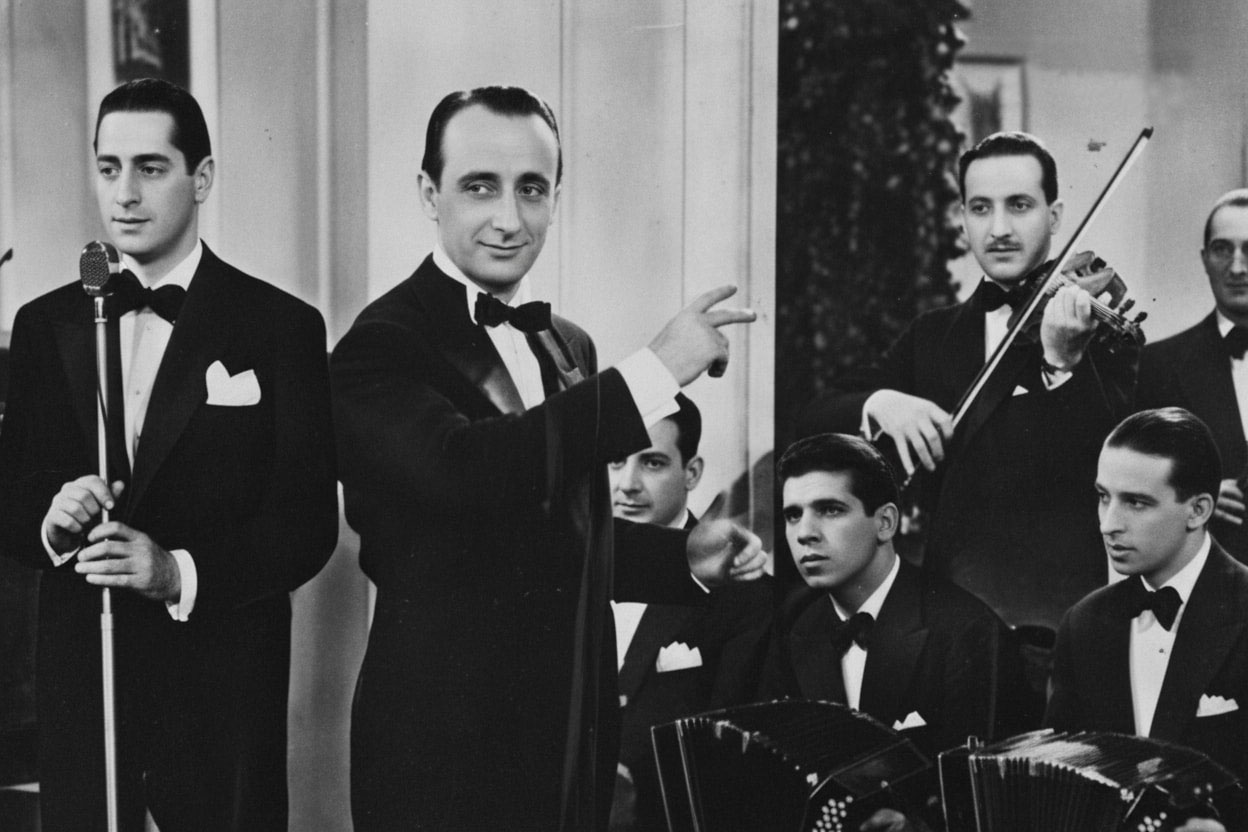
Juan D'Arienzo and Alberto Reynal (on the left); AI restored.
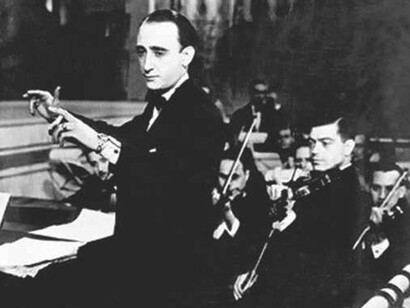
Young Juan D'Arienzo directing his orchestra
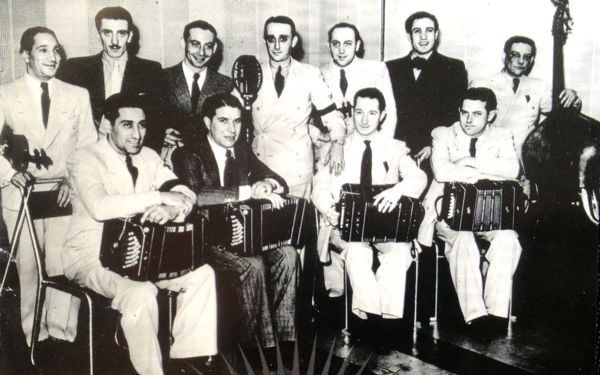
Juan D'Arienzo and his orchestra with Rodolfo Biagi (the chap with mustache) between December 1935 and June 1938
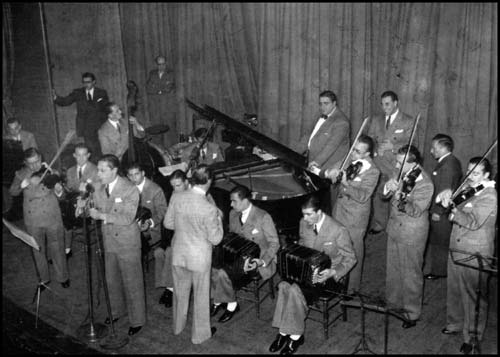
Juan D'Arienzo (facing the musicians) and his orchestra with the singer Armando Laborde